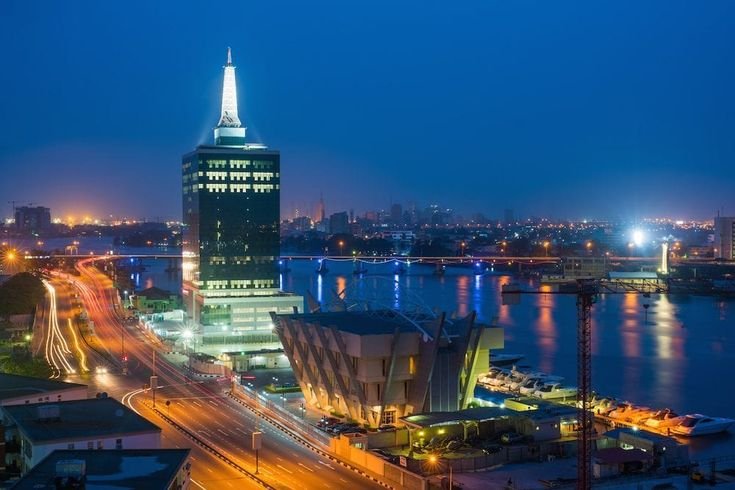

If you’ve ever tried working remotely in Lagos, you already know that the battle for most freelancers and digital nomads is not their inability to meet up with deadlines, but against power cuts.
For digital nomads, the laptop isn’t the problem, the Wi-Fi isn’t always the problem (at least most people have the data issue figured out). The problem is electricity. And in 2025, the conversation around electricity in Nigeria has shifted to two letters that now determine your daily cost of living: Band A and Band D.
So what does this mean for digital nomads trying to survive Lagos? Let’s break it down.
First, What Do Band A and Band D Mean?
Nigeria’s power supply is grouped into bands, based on how many hours of electricity you’re guaranteed per day.
- Band A customers are supposed to get around 20–24 hours of light daily. Sounds like a dream, right? Except the tariff is higher, you pay a premium for “stable” electricity. This premium is what the largest part of the Nigerian population can’t afford to pay.
- Band D customers get about 8 hours daily, sometimes less. The tariff is cheaper, but outages are frequent, and productivity can take a hit.
In simple terms: Band A is more expensive but stable; Band D is cheaper but unreliable.
Why Does This Matter for Digital Nomads?
For Digital nomads, your livelihood depends on the stability of electricity in your environment. Whether you’re coding, writing, designing, or hosting calls, Lagos electricity tariffs hit your budget and workflow in very real ways.
- Cost Shock: Digital nomads on short stays may find bills are higher than expected in Band A areas.
- Workflow Disruptions: In Band D zones, outages can happen in the middle of a client call or deadline.
- Extra Expenses: Portable Wi-Fi, generators, inverters, and co-working passes often become survival kits.
In the end, you’re either paying for consistency (Band A) or paying with stress (Band D).
How It Shows Up in Daily Life
Picture this: You’ve landed a remote gig with strict deadlines. You wake up in a Band D apartment. By 10 a.m., NEPA has cut supply. Your inverter lasts a few hours, but by 2 p.m., your laptop battery is done. You’re forced to head out to a café or co-working space. By the time you settle down, you’ve lost half a workday.
Now imagine the opposite: you’re in Band A. Power is steady, but when the bill comes, it’s 30–50% higher than what you budgeted. Suddenly, your “affordable Lagos stay” feels less affordable.
This is the daily calculation digital nomads have to make.
Why Where You Stay Matters More Than Ever
When electricity tariffs define productivity, choosing accommodation becomes a strategy.
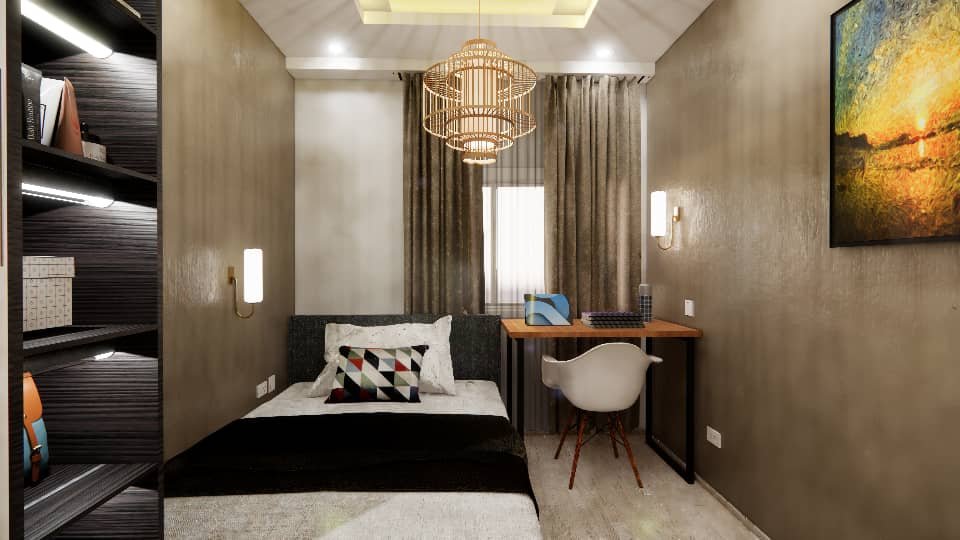
That’s why Zimmr Apartments in Oshodi are designed with digital nomads in mind:
- Central Location: Easy to reach both Island and Mainland, so you spend less on fuel or transport when power issues force you out.
- Backup Power: Inverter support and stable electricity so you don’t live at the mercy of Band D.
- Work-Ready Spaces: Quiet environment, Wi-Fi included, so you can stay plugged in without scrambling.
It’s not just about sleep. It’s about ensuring that work-life doesn’t collapse because NEPA decided to “hold light.” For your short term stay, join Zimmr Waitlist.
Practical Hacks for Digital Nomads in Lagos
- Budget for Power Surprises: Add a buffer to your accommodation and living costs.
- Invest in a Power Bank (or Two): Your phone is your lifeline for internet tethering when Wi-Fi drops.
- Mix Work Locations: Alternate between your stay, co-working spaces, and cafés.
- Use Time Zones to Your Advantage: Work earlier in the day to beat evening power surges.
- Ask About Tariffs Before Booking: Always confirm if the area is Band A or Band D.
FAQ: Electricity Tariffs Lagos
Q: Do all short-let apartments in Lagos fall under Band A?
No. It depends on the location. Some areas are Band A, others Band B–D. Always confirm before booking.
Q: How much higher is Band A compared to Band D?
Band A bills can be 30–50% higher, but you’re paying for more stable electricity.
Q: Can I survive in Band D as a digital nomad?
Yes, but you’ll need backup power, co-working spaces, or accommodation that provides inverters.
Final Word
For digital nomads, Band A vs Band D can mean the difference between a smooth work week and a stressful one. The smartest move? Don’t just think about cost or aesthetics when booking a short term apartment. Think about power backup, and convenience.
That’s why Zimmr isn’t just an apartment. It’s a buffer between you and Lagos chaos. Because when you work remotely, light isn’t luxury, it’s life. Join Zimmr shortlet apartment waitlist, and get accommodations as cheap as 10k per day with stable electricity.